An allergy is a sensitivity to a certain substance. If you have a latex allergy, you're sensitive to natural rubber latex. This is a growing problem among people who work in health care. This sheet tells you more about the causes and symptoms of latex allergy.
What is latex?
Latex is rubber. Natural rubber latex is made from a liquid taken from the rubber tree. Common products that often contain latex include:
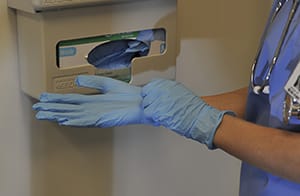
- Surgical gloves
- Balloons
- Condoms
- Urinary catheters
- Resuscitation equipment
- Diaphragms
- Rubber bands
- Rubber balls
- Baby bottle nipples
- Dental products (wedges, orthodontic rubber bands)
- Foam mattresses and pillows
How latex allergy develops
Latex protein is the allergen that causes latex allergy. The more a person is exposed to latex protein, the more likely they will develop latex allergy. Increasing exposure to latex increases a person's risk of developing a latex allergy.
If the latex gloves are also powdered, the powder can carry particles of latex into the lungs. This can cause respiratory symptoms.
People at higher risk of latex allergy include:
- People who work in jobs that commonly use latex gloves, such as health care workers, food handlers, and hairdressers
- People who have had many operations
- People who have eczema or a food allergy
Know the symptoms of latex allergy
A latex allergy is a lifelong condition. If you have this allergy and it is severe, you must avoid latex.
- If latex touches your skin, you may have a local reaction. For instance, you may have a rash, hives, or blisters on your skin.
- If latex gets into your lungs or bloodstream, you may have a systemic reaction. This means you may have symptoms that affect your whole body. For instance, you may have itchy, red, watery eyes and sneezing. You may also have coughing, trouble breathing, and chest tightness.
- In either case, symptoms can occur right away, or they can occur many hours later. Symptoms can range from mild to severe.
Know the signs of anaphylaxis
In rare cases, latex allergy can cause anaphylaxis. This is a medical emergency. It must be treated right away because it can be fatal. Signs of anaphylaxis include:
- Severe hives and itchy skin
- Swelling of the throat or tongue
- Wheezing, trouble breathing
- Chest tightness
- Facial flushing
- Rapid, pounding heartbeat
- Feeling faint; loss of consciousness
If you have a serious allergy, be sure to wear medical alert identification. Your doctor may also prescribe epinephrine, such as an epinephrine auto-injector or nasal spray. Use it if you have one. Also call
Online Medical Reviewer: Marianne Fraser MSN RN
Online Medical Reviewer: Rajadurai Samnishanth
Online Medical Reviewer: Rita Sather RN
Date Last Reviewed: 05/01/2024
© 2000-2026 The StayWell Company, LLC. All rights reserved. This information is not intended as a substitute for professional medical care. Always follow your healthcare professional's instructions.


Related Articles
Latex Allergy
Symptoms of a latex allergy include watery or itchy eyes, wheezing, hives, flushing or a skin rash, itching, and swelling.
When Your Child Has a Latex Allergy
Your child has a latex allergy if they're sensitive to natural rubber latex. Read on to learn about symptoms, diagnosis, treatment, and more.
Living with Latex Allergies
Once you are diagnosed with a latex allergy, you can take some steps to protect yourself. Read on to learn more.
Avoiding Latex
If you have a latex allergy, the best way to prevent symptoms is to avoid latex. Here are some tips on how to do this.