Are you scheduled for surgery? If so, you may worry about the need to replace blood lost during surgery. The goal is to keep the body’s normal levels of blood. Blood transfusion is a way to reach this goal. Your healthcare provider can tell you more about how to bank your own blood and other ways to get ready for surgery. Be sure to talk with your provider about the risks and complications of the different blood management methods. Also talk about possible alternatives to blood transfusion.
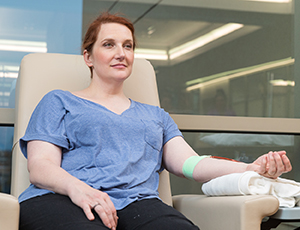
Getting ready for surgery
Take some time to plan for your blood management. Blood tests are done to check your blood levels. They also check if you have low red blood cell count (anemia). You need to be in good health and without health problems if you are banking your own blood, . There are also certain weight requirements. You may also need to sign a consent form. Also be sure to tell your healthcare provider if you are taking any medicines, vitamins, herbs, or supplements.
Autologous blood transfusion
You may be able to donate and bank your own blood before surgery for later transfusion. This is called autologous blood donation. Your banked blood is replaced during or after surgery as needed. Autologous donations need advance planning. The time depends on the amount of blood needed. Another choice for autologous blood transfusion is to save blood that is lost during surgery. This blood is then returned to your body during or after surgery, if needed. Your own blood is the safest blood you can receive. The risks of getting a disease or an allergic reaction are very low. But in some cases you may also get donor blood if you were unable to donate enough blood before surgery. In some cases during surgery, a cell salvage device may be used to collect the blood that you lose during surgery. The device then washes or filters the blood and returns the collected blood back to your body.
Allogeneic blood transfusion
If you are not able to donate for yourself, you may get blood donated by another person (blood bank donor). This is called allogeneic blood donation. This type of blood is screened for disease. And it's ready to use right away. Family and friends with your blood type can also donate blood for your use. This is called a designated or directed donor. Time is still needed to screen the blood for disease. Know that bank blood is considered safe.
Epoetin alfa
If you have a health condition such as anemia, you may not be able to donate your own blood. If you are scheduled for elective surgery that's not cardiovascular, another choice for blood management includes injections of a medicine called epoetin alfa (erythropoietin). This medicine helps increase the amount of red blood cells in the blood. It also reduces the need for allogeneic blood transfusion. Epoetin alfa is given each day or each week at a healthcare provider’s office. Or you can be taught to give yourself the injections.
Iron
If you are donating your own blood or if you have anemia, you may need extra iron. Your healthcare provider may prescribe an iron supplement. Take it with vitamin C so it will be absorbed better. Some foods, medicines, and supplements can interfere with absorption of iron from the intestines. Eating foods that contain iron may also help you. Iron-rich foods include red meat, beans, nuts, and raisins. In some cases, you may need IV (intravenous) iron to help you prepare for surgery. Follow your provider's specific instructions.
Featured in
Online Medical Reviewer: L Renee Watson MSN RN
Online Medical Reviewer: Susan K. Dempsey-Walls RN
Online Medical Reviewer: Todd Gersten MD
Date Last Reviewed: 12/28/2011
© 2000-2026 The StayWell Company, LLC. All rights reserved. This information is not intended as a substitute for professional medical care. Always follow your healthcare professional's instructions.

Related Articles
Self Blood Donation
Blood lost during surgery may need to be replaced. Donating your own blood ahead of time is sometimes best. Depositing your own blood before surgery is called autologous blood donation.
Discharge Instructions: Blood Transfusions for Adults
Some people get a fever in the hours after transfusion. This usually isn’t serious but if you have other symptoms along with it, it may be more serious.
Blood Transfusion (Adult)
You may need a blood transfusion if you have lost blood because of an injury or during surgery. You may also need one because of diseases or conditions that affect the blood. This sheet helps you understand how a blood transfusion is done.
Blood Transfusions in Adults
A blood transfusion puts donated blood into the body. During a blood transfusion, you receive donated blood through one of your blood vessels. Read on to learn details about this procedure.