Platelet-rich plasma (PRP) may help treat hair loss. This sheet will help you better understand this treatment. If you have any questions or concerns, talk with your healthcare provider. They are here to help.
What is PRP?
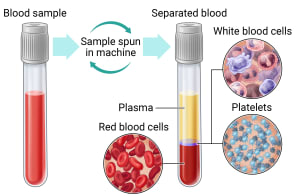
This treatment uses your own blood to help with hair loss. Blood is mostly made up of a liquid called plasma. It also contains platelets, red blood cells, and white blood cells. Platelets are the part of blood that helps with clotting and tissue regrowth. They contain proteins called growth factors that helps with healing.
For this treatment, blood is drawn from a vein in your arm. It’s then put into a machine that separates the platelets from the other blood cells. The result is plasma containing a large amount of platelets and their growth factors. This liquid is injected into your scalp. PRP may help prevent hair loss and encourage new hair growth.
Ongoing research suggests PRP may help with other conditions, too. It may also improve the look of skin, reducing dark circles, scars, and wrinkles.
What happens before a PRP injection?
Your healthcare provider will talk with you about this treatment. Ask questions if something is unclear.
To get ready for this treatment:
-
Tell your healthcare provider what medicines you take. Include both prescription and over-the-counter medicines. Also include vitamins, herbs, and supplements. Your provider may instruct you not to use nonsteroidal anti-inflammatory drugs (NSAIDs), such as ibuprofen and naproxen, for a period of time before and after your injections.
-
Tell your healthcare provider about any allergies, infections, or illnesses you have. These may affect the safety and effectiveness of PRP.
-
Read and sign the informed consent form. Signing the form means you understand what is going to happen. It means you agree to the procedure. Be sure all your questions are answered before you sign the form.
What happens during a PRP injection?
This treatment is often done in your healthcare provider’s office. You may get several injections over a few weeks or months.
During this treatment:
-
Your healthcare provider first draws a small amount of blood from a vein in your arm.
-
Your blood is then put into a centrifuge. This machine spins the blood at a high speed, causing the platelets to separate from the blood cells. The result is plasma containing a large amount of platelets.
-
Your healthcare provider then injects the platelet-rich plasma into your scalp.
What happens after a PRP injection?
You may have some pain, bruising, and swelling after the injection. These will get better over time. It may take a few weeks to months to notice an improvement in your hair.
What are the risks of PRP?
A PRP injection is a safe treatment. Problems are rare. But all treatments have risks. The risks of PRP include:
-
Increased pain at the injection site
-
Headache
-
Bleeding
-
Itching
-
Redness
-
Swelling
Call 911
If at any time you have the following symptoms, you or your caregiver should call
-
Trouble breathing
-
Trouble swallowing
-
Loss of consciousness
When to call your healthcare provider
Reach out to your healthcare provider right away if you have any of these:
-
Fever of 100.4°F (38°C) or higher, or as directed by your provider
-
Symptoms that don’t get better or get worse
-
New symptoms
Date Last Reviewed: 12/01/2023
© 2000-2026 The StayWell Company, LLC. All rights reserved. This information is not intended as a substitute for professional medical care. Always follow your healthcare professional's instructions.


Related Articles
Cancer Treatment and Low Platelet Count
One possible side effect from cancer treatment is a low platelet count. This means the number of platelets in your blood is lower than normal. Read on to learn more.
Hair Replacement Surgery
Detailed information on hair loss and hair replacement surgery.
Platelets
This test measures the number of platelet cells in your blood. It can give your doctor valuable information about how well your blood clots stop bleeding, how well your bone marrow is working, and diseases that affect your platelet count.
Understanding Therapeutic Plasma Exchange (TPE)
Therapeutic plasma exchange (TPE) is a treatment that removes plasma from your blood. The removed plasma is then replaced with a substitute to help ease symptoms of disease.